February 7, 2026, 4 min read, by Vinicius Bastos
Brazil Smart Home Market to Reach R$ 34.9 Billion by 2033
The smart home market in Brazil is expected to reach R$ 34.9 billion by 2033, according to IMARC Group. See what is driving home automation.

The smart home market in Brazil is booming. According to a report published by IMARC Group, the sector was worth R$ 14 billion in 2024 (USD 2.68 billion) and is expected to reach R$ 34.9 billion by 2033 (USD 6.68 billion), with a compound annual growth rate (CAGR) of 10.70% from 2025 to 2033.
These numbers reinforce something that we at QA already experience firsthand: home automation is no longer a trend; it has established itself as a fast-growing market in Brazil.
What is driving this growth?
1. People are starting to understand what a smart home is
For years, home automation was seen as something futuristic or limited to a few. That is changing. Brazilian consumers are starting to see the real benefits of a smart home: comfort, convenience, savings and security. On top of that, the mass adoption of artificial intelligence has sped up this learning curve. People deal with AI every day and have come to understand naturally how technology can make life at home easier.
And here is the most important point for those working in the sector: we are facing a true blue ocean. The vast majority of new apartments launched in Brazil are still delivered without any automation system, and often without even the infrastructure planned for it. In other words, demand is growing, but the supply of properties prepared for automation is still minimal. For integrators and installers, this is a huge opportunity, both in new construction and in retrofit projects.
2. Automation is no longer a luxury item
The cost of automation and audio systems has dropped significantly in recent years. Solutions like QA's are proof of this: they are not the cheapest on the market, but they offer high quality and performance at the best price. This has opened the doors to a much larger audience, who used to see automation as out of reach but are looking for high quality and exclusivity.
3. The electric car effect
It may seem unlikely, but the growth of electric vehicles is directly related to the home automation market. People who buy an electric car start interacting with control panels. That experience is similar to the one we offer in automated homes and offices, which creates natural demand.
4. A heated real estate market
Even with high interest rates, the Brazilian real estate market keeps growing. And the outlook is good: with interest rates expected to come down and the recent mortgage incentives from Caixa Econômica Federal, the entire construction and retrofit market is gaining momentum. More properties being built and renovated means more opportunities for automation and audio projects.
5. Consumers prefer integrated solutions
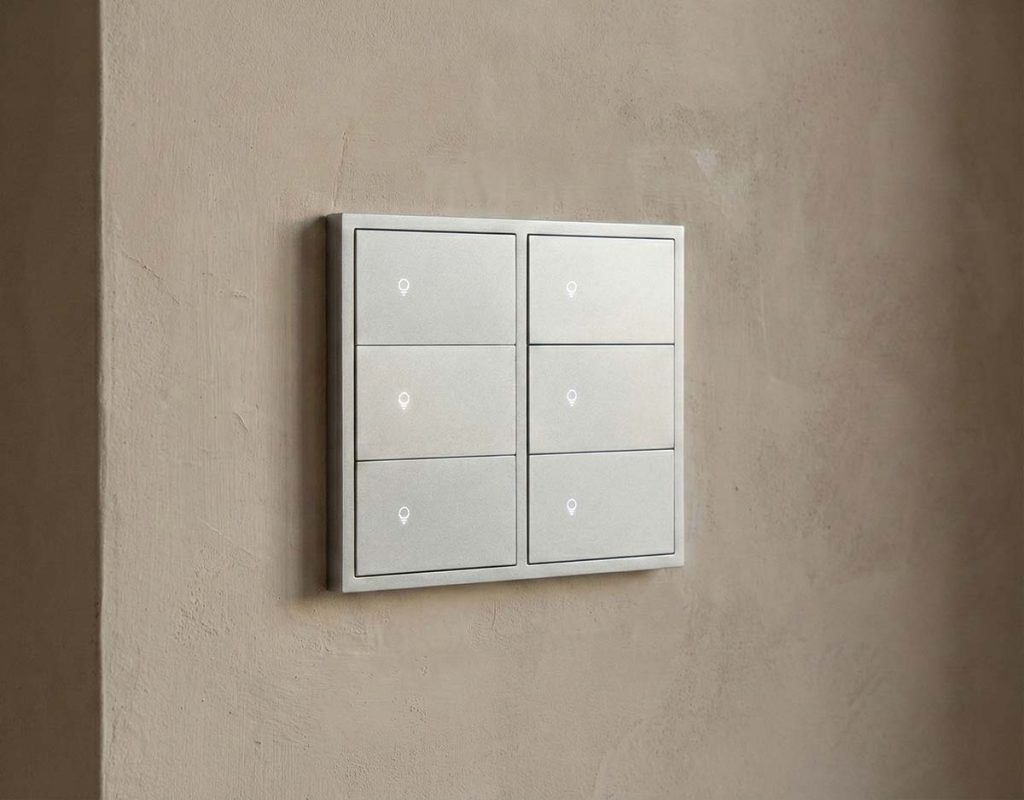
Standalone solutions, such as a smart lock or a connected bulb, are attractive as an entry point, but what really drives the mid-to-high-end market is integrated projects. We are talking about smart switches, sensors that automate lighting based on presence, full home theater control, motorized blinds that work automatically and audio throughout the rooms. Owners who invest in quality properties want this level of experience and are willing to pay for it.
The direct consequence: more demand for skilled professionals
With the market expanding rapidly, demand is growing for integrators and installers who can handle high-end home automation projects. Installing a piece of equipment is not enough: you have to design, configure and deliver a complete experience to the end client. Skilled professionals will be increasingly valued, as long as they can deliver the "basics" done well.
How can QA help?
Our products are made with premium components that offer greater range, more stability and robustness, without the price tags of high-end brands. We deliver top-level performance at a cost that makes sense for the integrator and for the end client.
In addition, our products are not sold on marketplaces. This is no accident: it is a strategic decision to protect those who work with us. Without online price competition, our integrators can work with fair margins and build sustainable businesses.
And we do not stop at the product. We offer complete training, top-level technical support and a portfolio with the best automation and multiroom audio equipment on the market. Our commitment is to be the partner integrators need to grow along with this market.
Source of market data: IMARC Group, "Brazil Smart Home Market Size, Share, Trends and Forecast by Device Type, Application, Protocol and Region, 2025-2033". Available at: https://www.imarcgroup.com/brazil-smart-home-market
Update (October 2026): on October 1, 2026, IMARC Group updated the report to cover 2026 to 2034. According to the new edition, the Brazilian smart home market grew from USD 3.0 billion in 2025 to USD 3.3 billion in 2026 and is expected to reach USD 7.1 billion by 2034, with a compound annual growth rate of 10.17% between 2026 and 2034. The link above now opens this new edition.