October 31, 2026, 3 min read, by Vinicius Bastos
The Year of the Smart Home
Discover the maturity of the home automation market, the importance of dedicated screens for room control, and technical challenges for integrators.
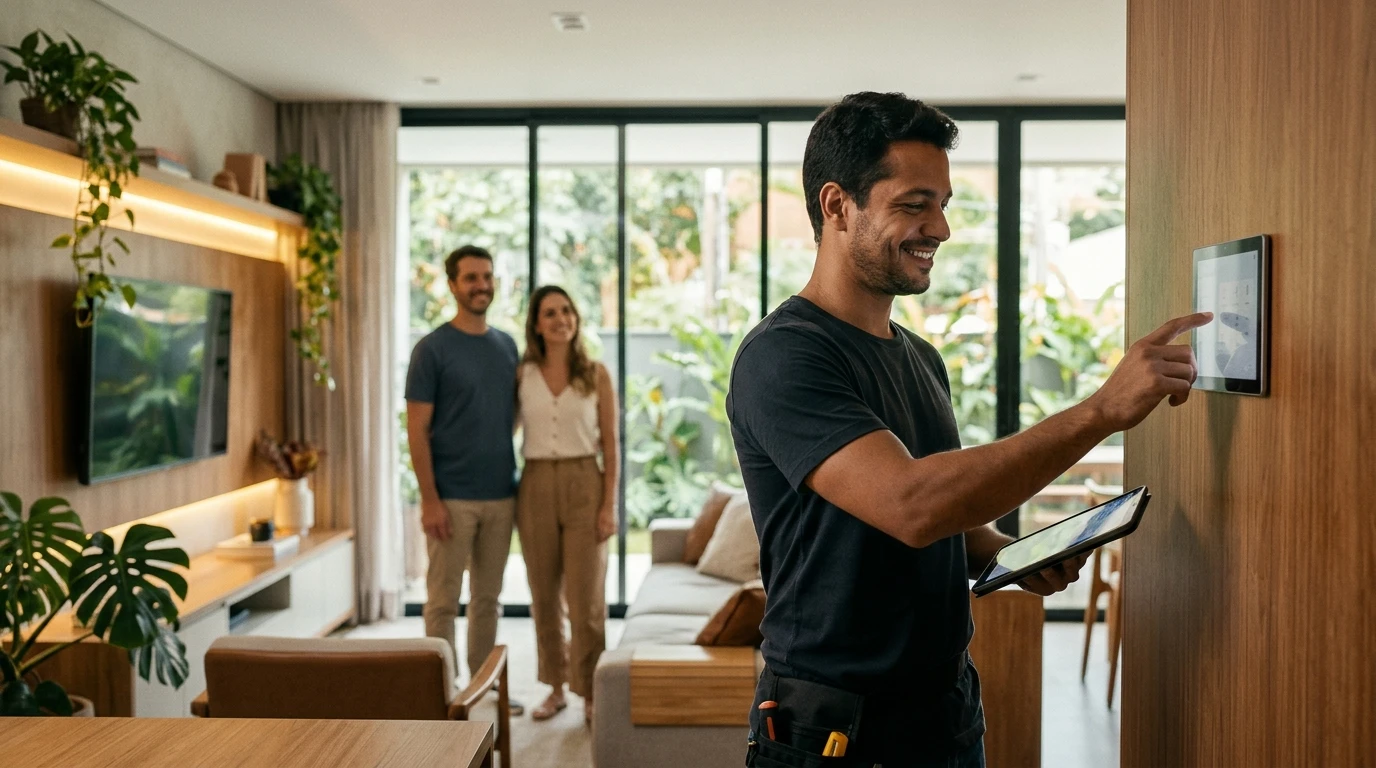
The home automation market is experiencing a moment of technical maturity and commercial expansion. Projects once seen as isolated items are now part of renovation and construction planning, driven by the evolution of consolidated ecosystems and the demand for greater convenience.
Tech giants and industry traction
Moves by companies like Apple, Amazon, and Google accelerate end consumer interest and expand the portfolio of available solutions. Updates to voice assistants, unified communication protocols, and new control panels put automation in the spotlight.
When these brands introduce innovations to the general public, the integrator's work gains momentum. The need to explain basic concepts decreases, opening up space to discuss complete projects, network stability, and scene personalization.
The parallel with automobiles and dedicated screens
The evolution of the control interface in homes follows a path very similar to the automotive industry. Years ago, cars used scattered buttons and simple radio systems. Today, any modern vehicle centralizes navigation and entertainment into an intuitive multimedia center.
Users have already realized that having a central screen in the vehicle brings safety and ease of access. The same logic applies to the home. Relying solely on a smartphone to turn on a light or adjust the air conditioning creates daily friction, as the device runs out of battery, receives notifications, and moves around.
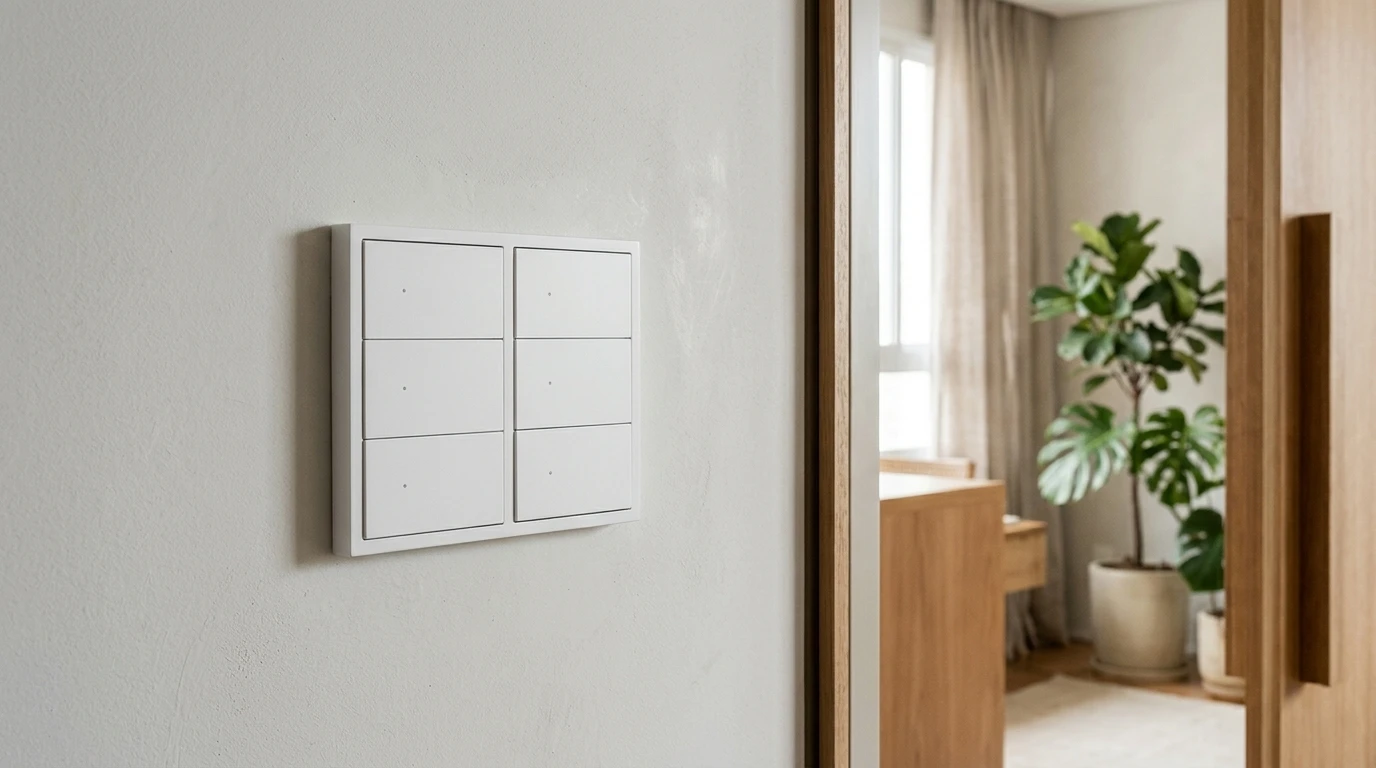
Fixed control screens and dedicated keypads take on the role of the home's multimedia center. They remain always available to any resident or visitor, offering immediate response for general triggers and routines.
What changes in daily routine with a structured system
A professionally connected home goes beyond individual commands in separate apps. True efficiency arises from the integration between different building subsystems.
Planned lighting with scenes for work, relaxation, good morning, and good night.
Climate control integrated with motorized blinds for energy efficiency and comfort.
Audio systems with volume control and individual music by room.
Security with access monitoring and occupancy sensors.
Simplicity in executing scenes and commands on a daily basis.
The integrator's role in the face of new demands
For professionals in the field, the current landscape demands upskilling. Clients arrive with more specific demands and high expectations regarding installation reliability. Mastering wired and wireless protocols, robust network infrastructure, and installation best practices has become mandatory.
Beyond technical knowledge, equipment choice determines the long-term success of any project. The stability of an installation directly depends on component sourcing and the support offered by suppliers.
Technical quality versus improvised solutions
With the growing popularity of the topic, low-cost generic options have multiplied in the market. Although they may initially seem attractive, these solutions often present connection drops, sluggish command responses, and a lack of specialized local support when problems arise.
Established residential projects demand equipment optimized for the electrical grid in Brazil, with superior range through masonry walls, a simple and user-friendly app, and the ability to customize for each client.
When executing your project or serving your clients, have you chosen to work with a company that delivers exclusive high-performance products and dedicated support, or do you still rely on generic solutions to configure your spaces?