January 2, 2025, 4 min read, by Vinicius Bastos
Home Automation Trends for 2025
Home automation trends for 2025: generative AI in voice assistants, Apple's bet, more mature consumers and the shortage of skilled labor.

The global smart home market continues its impressive growth trajectory.
According to a 2021 projection by the research firm Omdia, the sector should be worth more than US$ 178.5 billion in 2025, with average growth of 24.1% per year between 2020 and 2025.
This rapid growth brings with it not only opportunities but also significant challenges for the sector.
One of the main bottlenecks in today's market is the shortage of qualified professionals to meet the growing demand.
Designing and installing complete home automation systems requires specialized knowledge in many areas, from integrating multiroom audio and home theater systems to configuring robust, secure Wi-Fi networks.
This shortage of skilled labor has created interesting opportunities for professionals who want to specialize in the sector, and it is for them that QA created QA Pro, with a course and a kit for integrators.
Top trends for 2025
1. Generative AI in Digital Assistants
The arrival of generative artificial intelligence in digital assistants such as Alexa, Google Assistant and Siri represents a major improvement in the way we interact with our smart homes.
The new generation of virtual assistants promises to eliminate the need to memorize specific device names or predefined commands.
Imagine simply saying "Get the house ready for a movie" and having the curtains close, the lights adjust and the home theater system turn on automatically, all in a natural and intuitive way.
2. Apple bets on the market
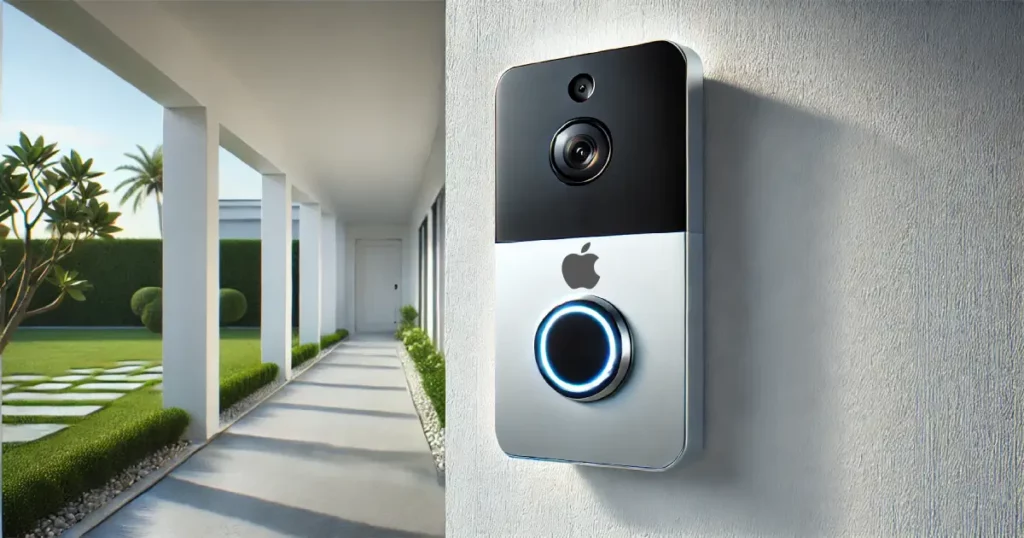
After years of keeping a low profile in the home automation segment, Apple is getting ready to make a leap in 2025.
The expected launch of a dedicated control display, integrated with Apple Home and Apple Intelligence, promises to bring the brand's signature smooth, intuitive experience into the home.
The rumors about a video doorbell with Face ID authentication are interesting, especially considering the premium profile of Apple users.
Compatibility with the Matter protocol and integration with the Apple Home ecosystem should further boost demand for smart systems, especially among high-end consumers who are already familiar with the brand's products.
3. Consumer maturity
Home automation has gone from a futuristic luxury to a practical necessity.
Many consumers and architects already include automated control systems for lighting, climate, audio and video in their construction or renovation projects.
However, there is still room for awareness of more advanced security and energy efficiency features, such as:
Presence sensors for smart energy management
Water and gas leak detectors with automatic valve shutoff
Integrated security systems with cameras and alarms
Real-time consumption monitoring
Challenges and outlook
Although dollar volatility affects the prices of imported equipment, the sector remains resilient.
The democratization of technology and greater competition among manufacturers have led to a significant drop in prices in recent years.
An automation system today costs a fraction of what it did a decade ago, which makes the technology accessible to a wider audience.
This combination of more affordable technology, more intuitive interfaces and greater awareness of the practical benefits of home automation points to a promising 2025 for the sector.
The challenge now is to train qualified professionals to meet this growing demand, ensure that installations are carried out with the necessary quality and safety, and educate consumers to invest in better-quality products.
Update (October 2026): the trends were confirmed, but more slowly than expected. Amazon announced Alexa+, with generative AI, in February 2025, and it arrived in Brazil in early access in June 2026. Google began replacing Google Assistant with Gemini on Nest speakers and displays in October 2025, also in early access and, for now, outside Brazil.
Apple's control display was only announced on October 13, 2026: it is the HomeView, with a 7-inch screen and compatible with Apple Home and Matter accessories, on sale from November 13 in eight countries, not including Brazil for now. The video doorbell with Face ID has not been launched yet.